AI Full Stack Engineer

Sayan Pramanick

5+ years building scalable SaaS platforms, intelligent workflows, and real-world LLM systems.

10+ production systems3M+ end-user interactions
Hero image
Scroll to explore

Journey

From Shipping Features to Designing Systems

My journey started in engineering academics, grew through full-stack product delivery, and now focuses on shipping AI-first systems that are reliable in production.

5+

Years Building

10+

Impactful Projects Delivered

2M+

Users Impacted

2024-2026

Senior full-stack and AI systems at Tipstat

Delivered multiple long-term projects across fintech, logistics, and social products, including multi-agent and AI assistant workflows.

Technical insight: Now focused on production-grade AI orchestration, secure integrations, and cost-latency-quality trade-offs.

01

2024-2026

Advanced software engineering at BITS Pilani

Pursuing M.Tech in Computer Science while continuing professional delivery in parallel.

Technical insight: Academic depth plus production practice helps me make stronger architectural decisions.

02

2023-2024

AI platform engineering at Qubrid AI

Developed AI platform experiences for model fine-tuning, GPU/CPU compute workflows, and real-time infrastructure visibility.

Technical insight: Deepened experience in AI product UX, backend integration, and scalable system behavior under enterprise workloads.

03

2022-2023

End-to-end enterprise delivery at Brillio

Led redevelopment of Puma's inventory platform across planning, architecture, implementation, testing, and deployment.

Technical insight: Built confidence in owning full SDLC execution while coordinating cross-functional stakeholders.

04

2021-2022

Frontend scale and UX craft at Cerebry

Shipped responsive, SEO-friendly React interfaces for an adaptive EdTech product with performance-focused rendering.

Technical insight: Learned how clean UI architecture, accessibility, and performance tuning directly impact learner outcomes.

05

2018-2022

Computer science foundation at SRM

Built strong fundamentals in software engineering and cybersecurity during B.Tech in CSE.

Technical insight: This phase shaped my systems thinking, security-first mindset, and long-term product discipline.

06

Projects

Recent AI Projects

A selection of AI products and systems I have worked on recently.

Case Study 01

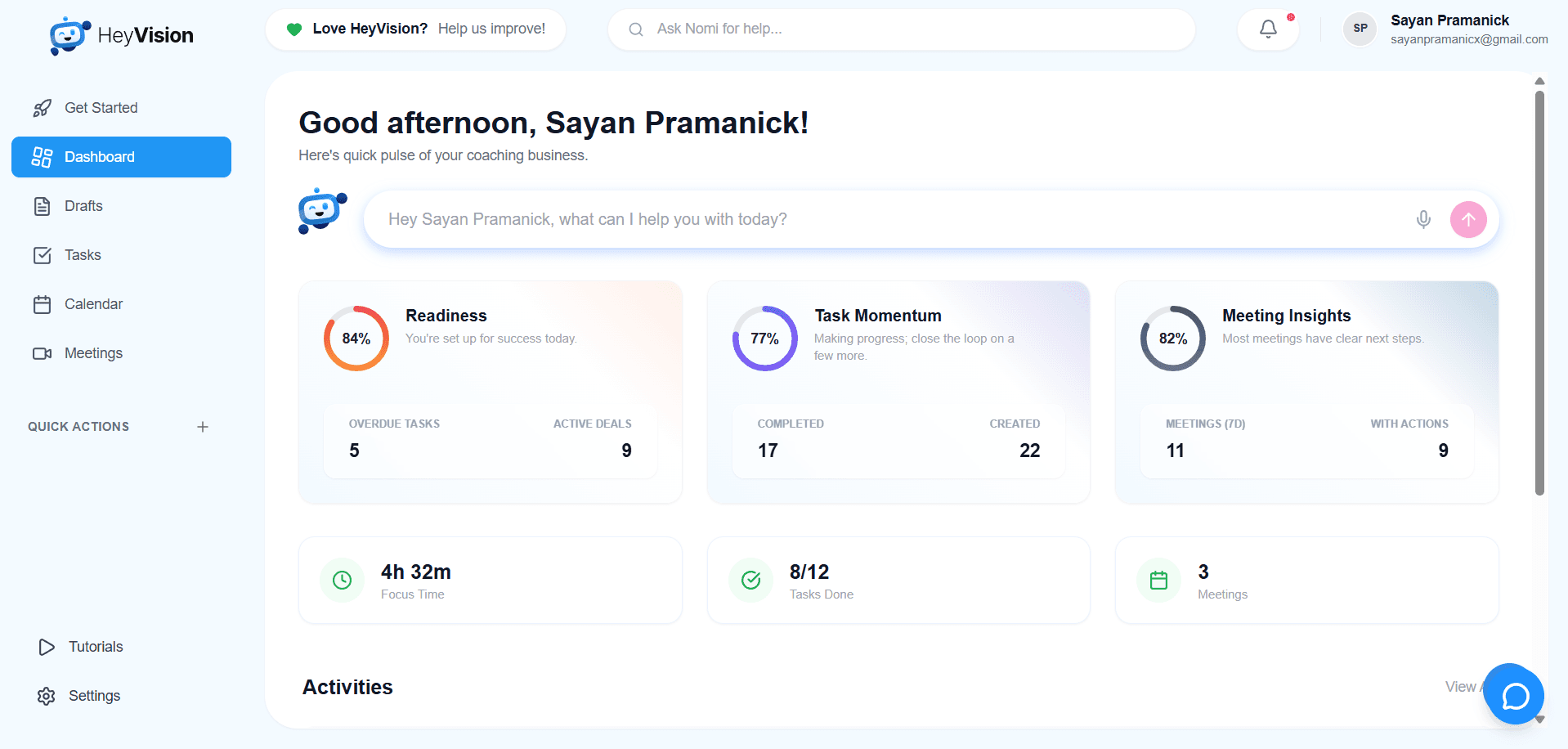
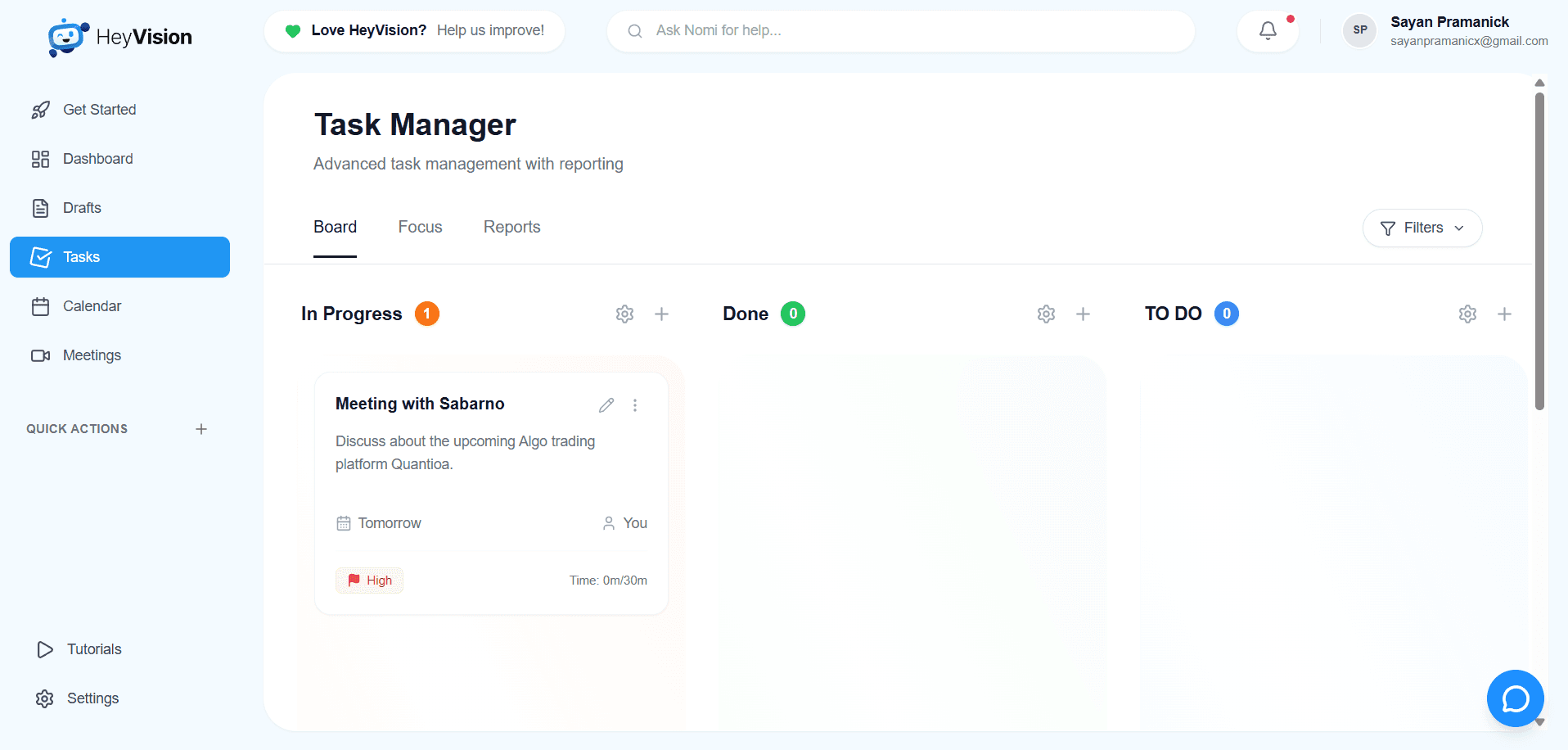
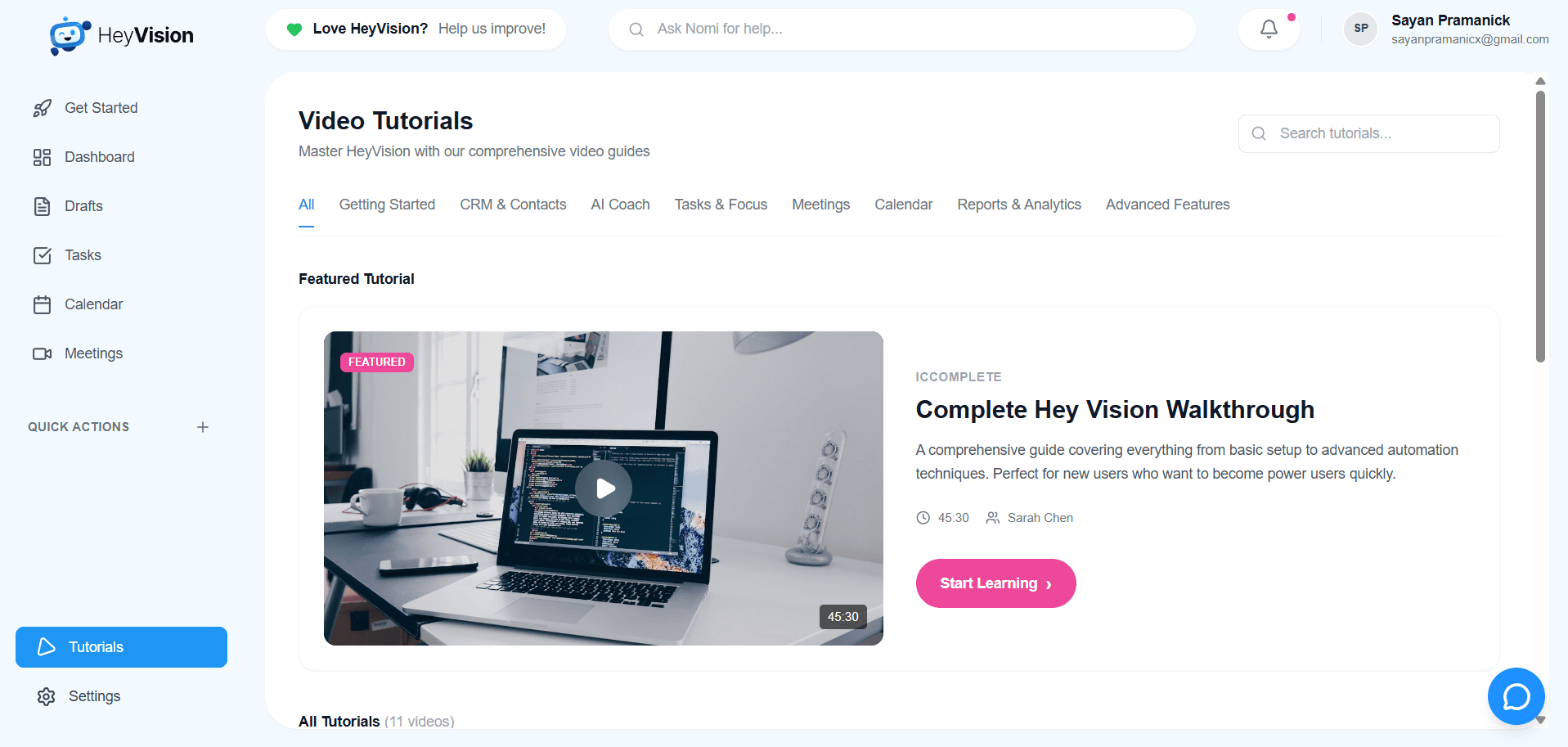
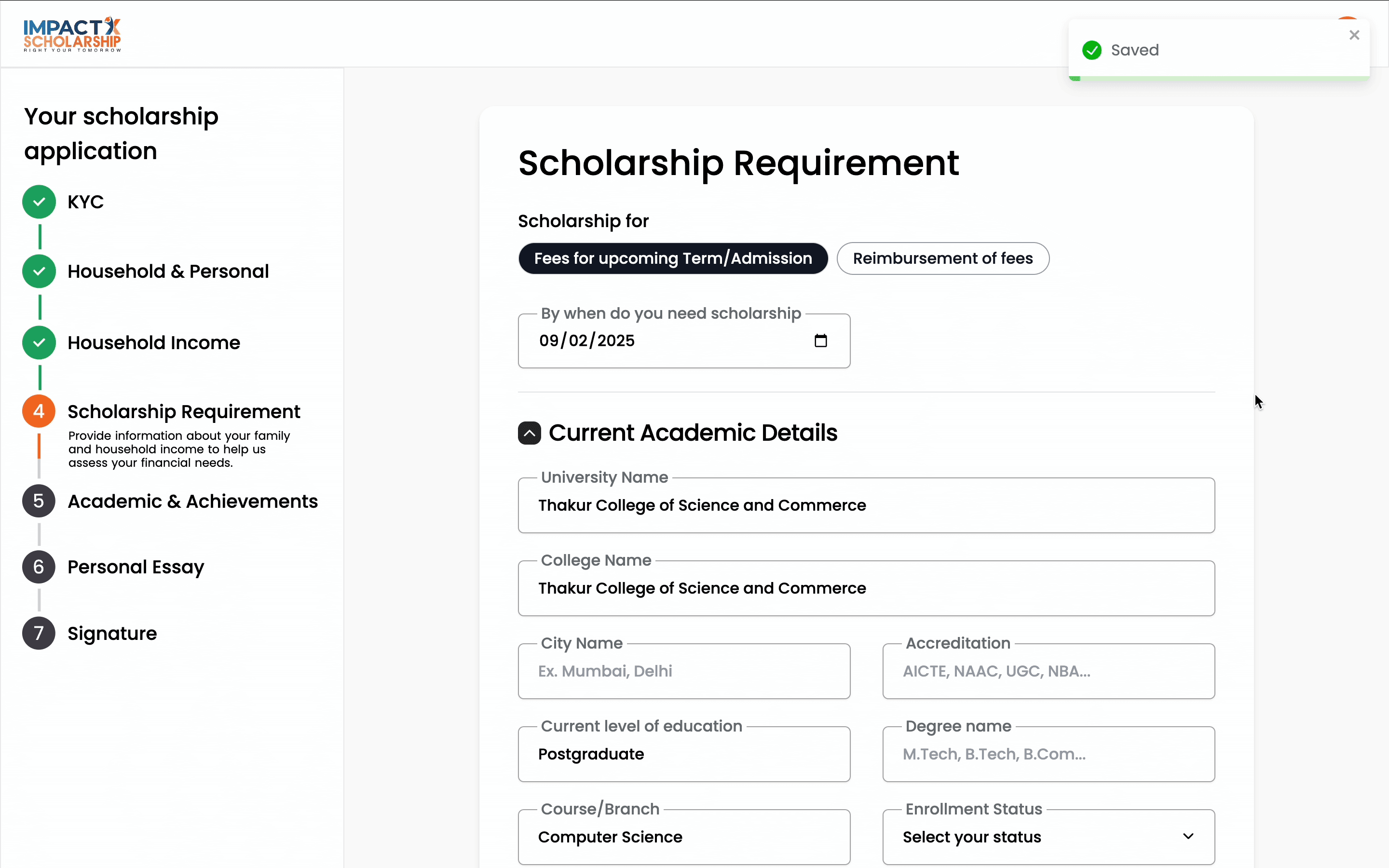
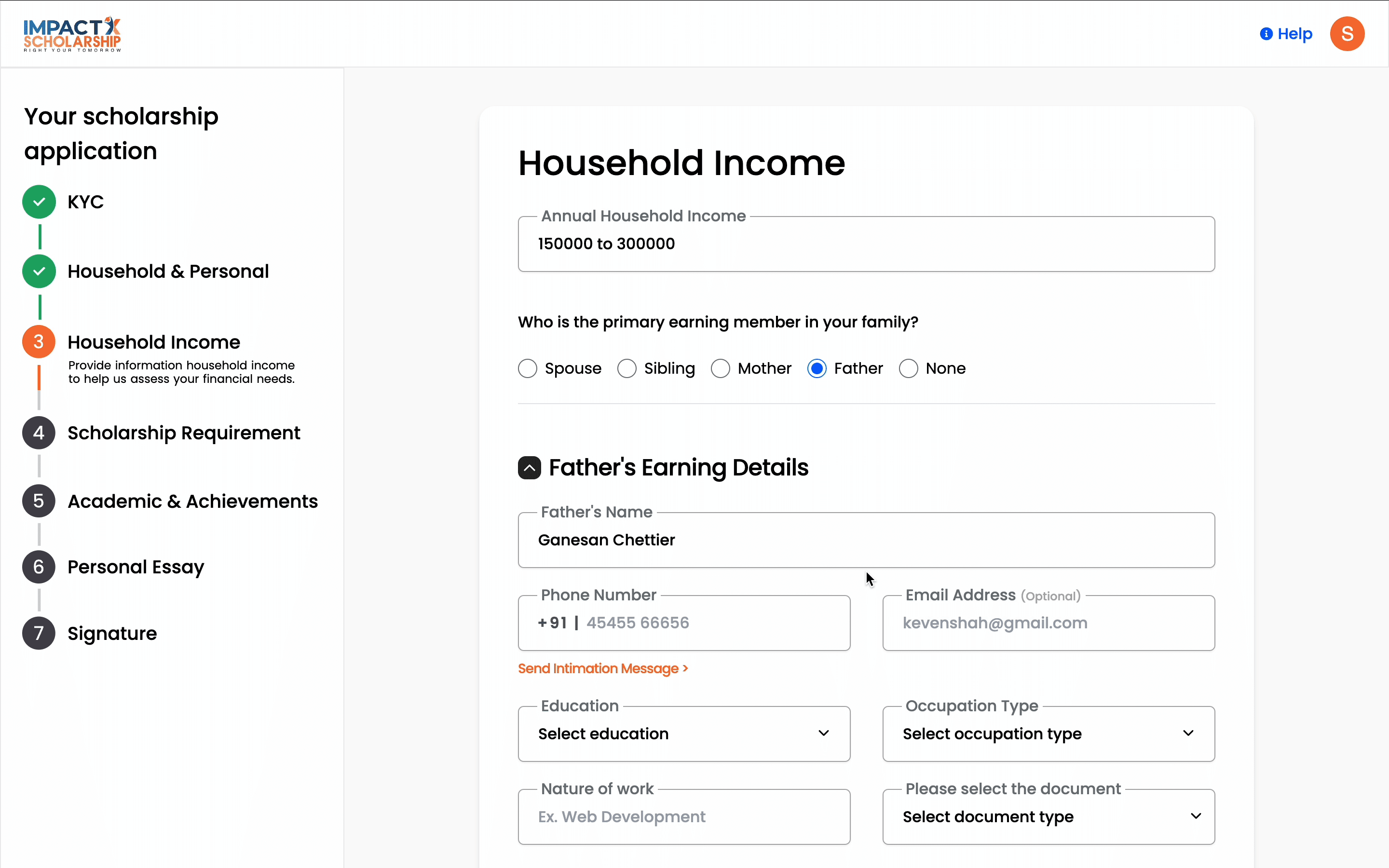
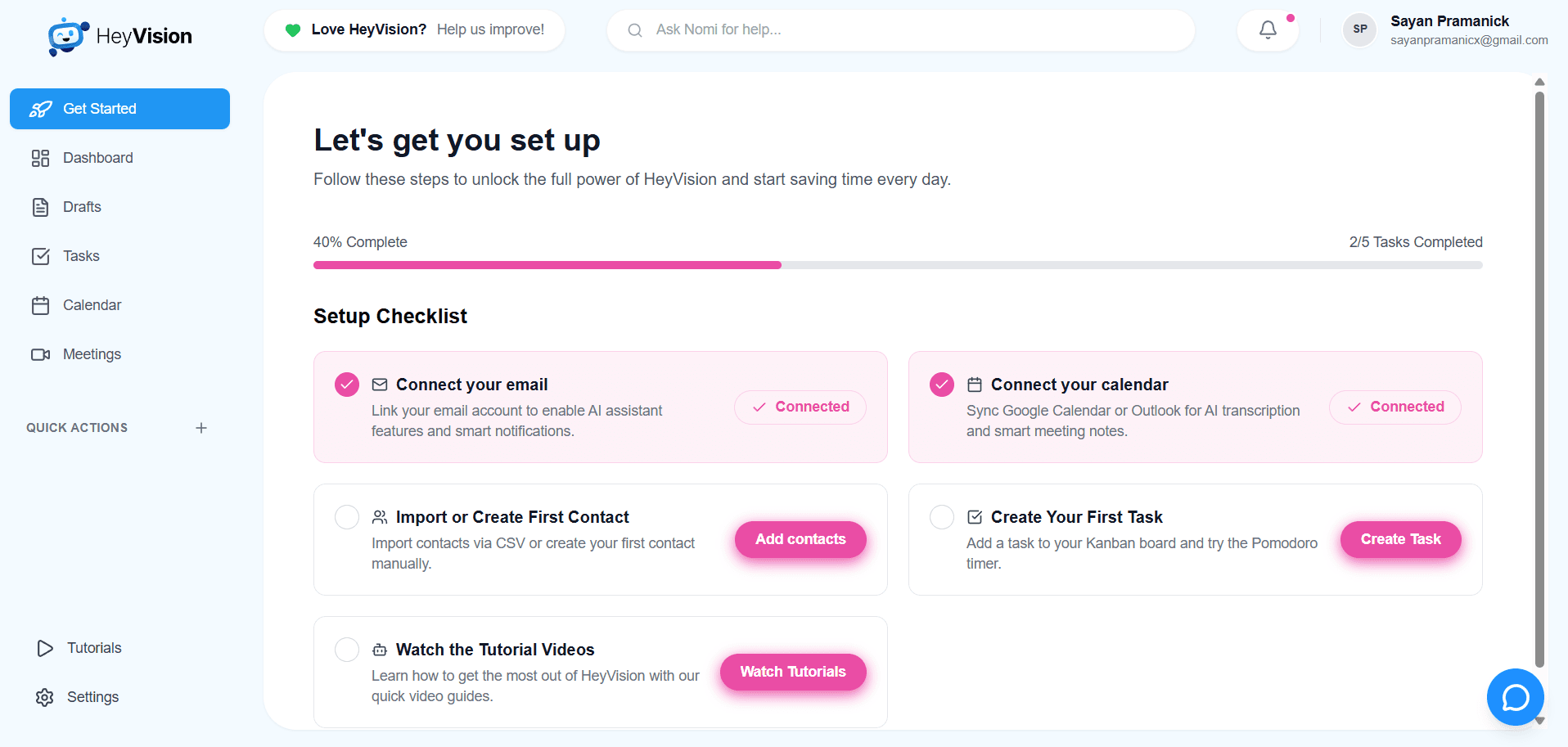
HeyVision — AI Executive Assistant for Inbox & Meetings

Built as an AI productivity assistant, HeyVision connects email and calendar systems to classify inbox traffic, draft context-aware replies, and turn meetings into structured notes with action items.

Watch Live ->

Problem: Professionals were losing hours to email backlog, scattered meeting notes, and manual follow-ups. The MVP had to automate inbox triage, reply drafting, and meeting summarization while preserving user trust with review-first workflows, secure integrations, and no autonomous outbound actions.

Scalability solved: Structured the platform as a modular assistant system so the same core services could support single-inbox users, multi-account consultants, and enterprise teams with SSO, RBAC, and analytics.

Latency optimization: Background workers handled classification and draft generation within seconds of email arrival, while the meeting pipeline produced summaries and follow-up drafts within minutes after a call.

Cost strategy: The system stayed draft-only and suggestion-led, keeping users in control while corrections improved personalization and reduced administrative workload without risky full automation.

MVP Delivery Timeline

0weeks

Core Automation Modules

0

Integrations

0

Project showcase 1Project showcase 2Project showcase 3Project showcase 4

Key Architectural Decisions

  • Built an AI inbox triage layer that classifies messages into response-needed, FYI, marketing, and low-priority queues.
  • Implemented tone modeling from historical sent mail so generated drafts better matched each user's writing style.
  • Designed a meeting assistant pipeline for transcription, structured summaries, action-item extraction, and follow-up draft generation.
  • Created a secure OAuth integration layer for Gmail and Outlook with read and draft scopes instead of send permissions.
  • Used asynchronous workers for email classification and meeting analysis so automation stayed responsive as volume increased.
ReactTypeScriptTailwind CSSFastAPINode.jsPostgreSQLRedisGmail APIMicrosoft GraphZoomGoogle Meet

Case Study 02

Falcon - AI Co-Pilot for High-Yield Energy Conversion

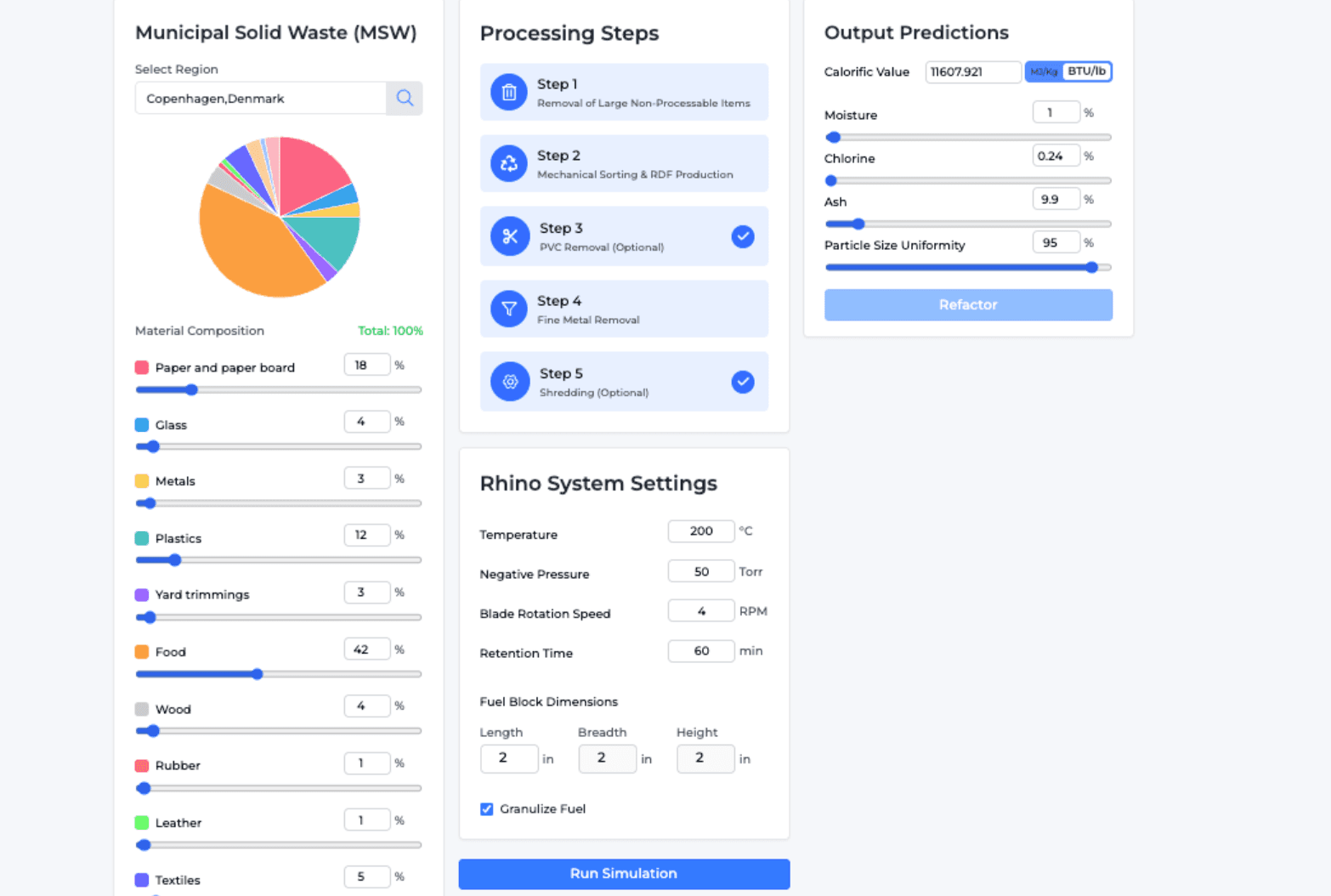
Built for Ecogensus, Falcon is an AI fuel composition manager that predicts output quality, optimizes process settings, and provides real-time operator guidance for engineered solid fuels from municipal solid waste streams.

Deep Dive ->

Problem: Ecogensus needed a fast, explainable way to handle highly variable waste composition while still meeting target fuel specs. I had to ship a functional MVP in 30 days, support auditable recommendations, and avoid slow manual trial-and-error across process variables.

Scalability solved: Architected as a scalable prototype for multi-facility rollout with reusable APIs and modular model components.

Latency optimization: Enabled real-time scenario recalculation in the dashboard so operators can test composition and process changes instantly.

Cost strategy: Reduced costly trial runs and manual analysis cycles by surfacing prediction and optimization guidance before plant-level execution.

MVP Delivery Timeline

0days

Interactive Dashboard Panes

0

Core Optimization Modules

0

Project showcase 1

Key Architectural Decisions

  • Built domain-trained GPT-powered predictive layers to estimate calorific value, chlorine, and moisture from mixed input compositions.
  • Developed a process optimization engine to reverse-map target output specs into actionable process settings.
  • Designed a 3-pane interactive UI: material composition panel, process controls panel, and live results panel with recommendation output.
  • Implemented an API-first backend with Python, FastAPI, and PostgreSQL, integrated with external material property datasets.
  • Prioritized explainability and operator auditability so recommendations could be reviewed before execution.
ReactFastAPIPythonChatGPTPostgreSQLAmazon S3

Case Study 03

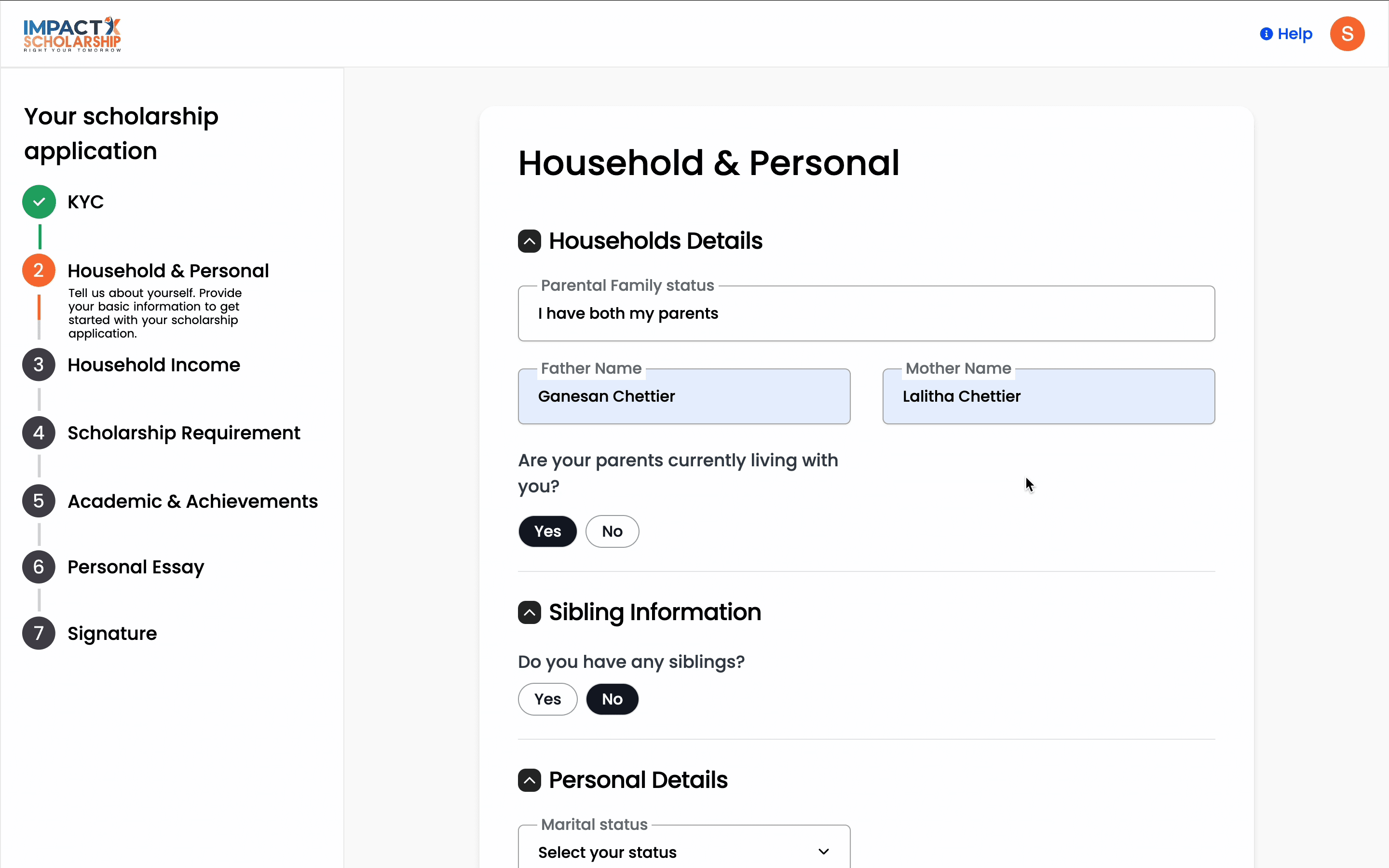
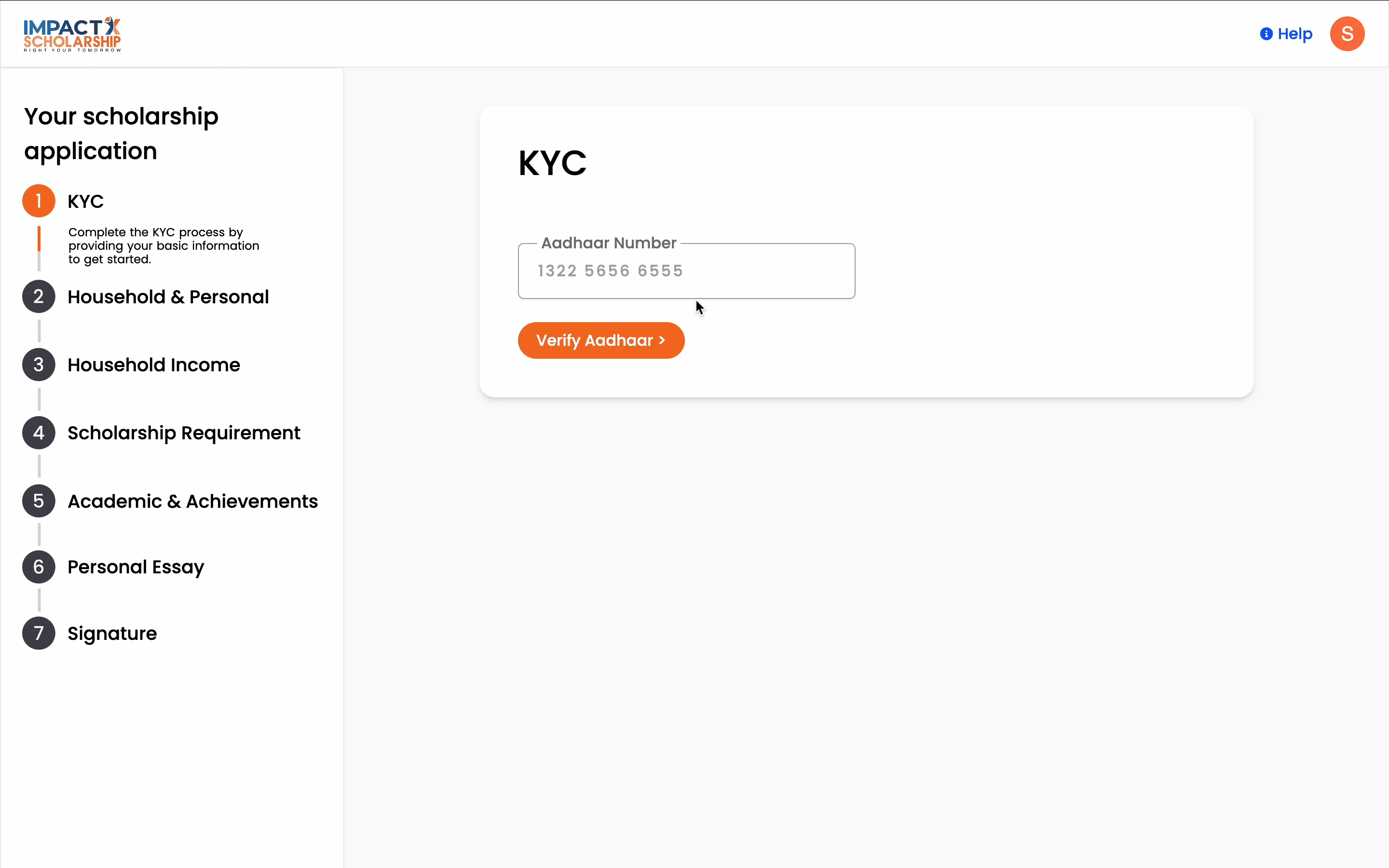
Auxilo - AI-First Platform for Education Finance

For Auxilo, we re-architected the student-loan journey into an AI-first, API-native platform that coordinates students, co-applicants, and guarantors while automating document intelligence, KYC/AML checks, and lender-side decision handoffs.

Watch Preview ->

Problem: Auxilo needed to replace fragmented, paper-heavy workflows with a single digital engine. Each application required reconciling multi-party profiles, processing heterogeneous documents (identity, income, collateral, academic, visa), and passing strict KYC, AML, and bureau checks, which introduced delays and manual keying risk.

Scalability solved: Deployed containerized services on AWS (EC2 + ECR) with Redis-backed async workers and persistence split across PostgreSQL and MongoDB to handle parallel loan files and partner traffic spikes.

Latency optimization: API-driven checks and straight-through extraction shifted verification from batch/manual turnaround to near real-time decision preparation within the same session.

Cost strategy: Automating extraction, validation, and compliance orchestration removed repetitive back-office keying and review loops, lowering per-file processing cost while improving auditability.

Workflow Actors Coordinated

0

Document Classes Unified

0

Real-Time Compliance Integrations

0

Project showcase 1Project showcase 2Project showcase 3Project showcase 4Project showcase 5Project showcase 6

Key Architectural Decisions

  • Modeled the application as a multi-actor workflow (student, co-applicant, guarantor) with role-scoped forms and state transitions.
  • Implemented a 4-stage AI document pipeline: ingestion, extraction, validation, and decision-ready structuring.
  • Used Llama-based extraction with Surya OCR and Docling post-processing for high-fidelity field capture across mixed document formats.
  • Made Karza and CIBIL integrations first-class compliance gates for real-time KYC/AML and bureau verification.
  • Added context-aware nudges and dependency checks to reduce drop-off from missing or inconsistent submissions.
  • Pushed normalized outputs into Salesforce and risk models so downstream underwriting could run with minimal manual intervention.
ReactFastAPIPostgreSQLMongoDBRedisLlamaSurya OCRDoclingSalesforceKarza APICIBIL APIAWS

Stack

Stack I Trust in Production

Tools are selected based on operational reliability, observability, and long-term maintainability under production load.

AI Benchmark

ARC-AGI Leaderboard (Interactive)

Live benchmark view from ARC Prize with dynamic model filters and ARC-AGI-1 / ARC-AGI-2 toggles.

Use the controls inside the chart to filter by author, model type, and model.

Open Full Leaderboard

Blogs

Blogs and Technical Posts

Latest posts from my Medium profile on React, performance, and production engineering lessons.

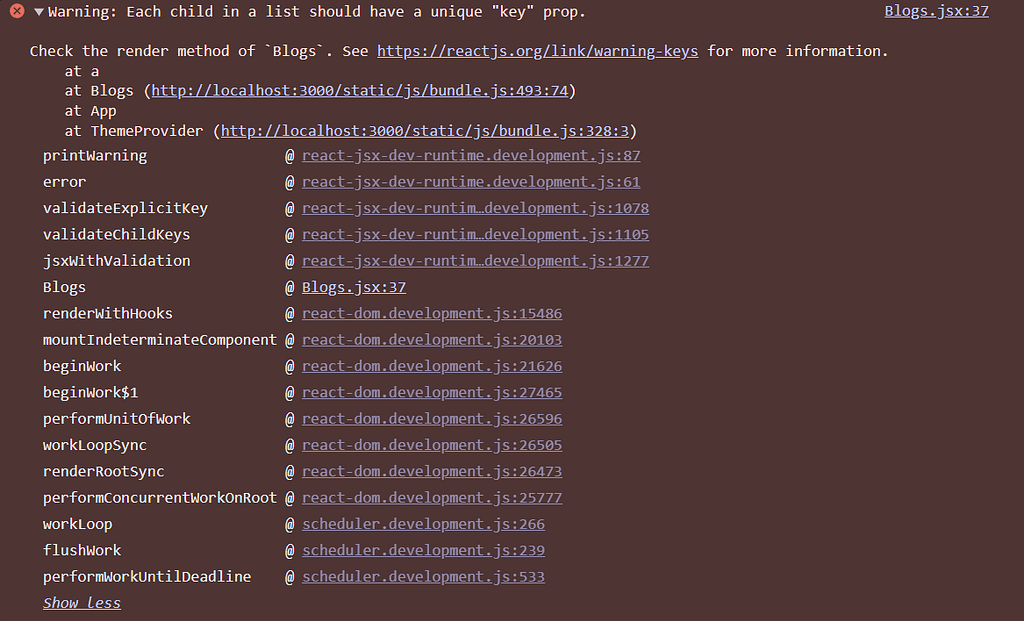
“Missing Key Prop for List Items” Warning in React
Oct 24, 2024Medium

“Missing Key Prop for List Items” Warning in React

As a React developer, one error that has come up repeatedly in my experience is the dreaded “Missing Key Prop for List Items” warning. It seems like a minor issue at first glance,...

Read on Medium
React Suspense for Code Splitting
Oct 23, 2024Medium

React Suspense for Code Splitting

When I first started using React Suspense, I was excited but a bit unsure of how it would fit into my workflow. As I worked on more complex React apps, I realized the importance o...

Read on Medium
Lazy Loading Components in React for Better Performance
Oct 21, 2024Medium

Lazy Loading Components in React for Better Performance

As a frontend developer working with React, one of the key lessons I’ve learned is the importance of optimizing performance, especially as applications scale. One technique I’ve f...

Read on Medium
Understanding the Differences Between useRef and useState
Oct 19, 2024Medium

Understanding the Differences Between useRef and useState

When working with React, hooks provide a powerful and intuitive way to manage state and other aspects of a component’s lifecycle. Two of the most commonly used hooks — useRef and...

Read on Medium
Building a Responsive React Application: Key Principles and Best Practices
Oct 18, 2024Medium

Building a Responsive React Application: Key Principles and Best Practices

In today’s digital landscape, users expect websites and applications to work seamlessly across all devices, from large desktop screens to small smartphones. As a developer, ensuri...

Read on Medium
Optimizing React Performance with Memoization
Sep 26, 2024Medium

Optimizing React Performance with Memoization

When building React applications, performance is key, especially when your app grows in size. React re-renders components frequently, which can slow things down. Memoization is on...

Read on Medium

Contact

Let's Build Intelligent Systems That Actually Work.

If you're scaling an AI product and need architecture that survives production reality, let's talk.